Paradigm Shifts in Education
Year 04 | Semester 08 | 2021
This studio aimed at observing and thereafter, designing for an institute in an urban space. The Mumbai University’s Kalina campus is a space with a symbiotic partnership with the city. The key themes to focus on here were pedagogy, environmental thinking, and social good.
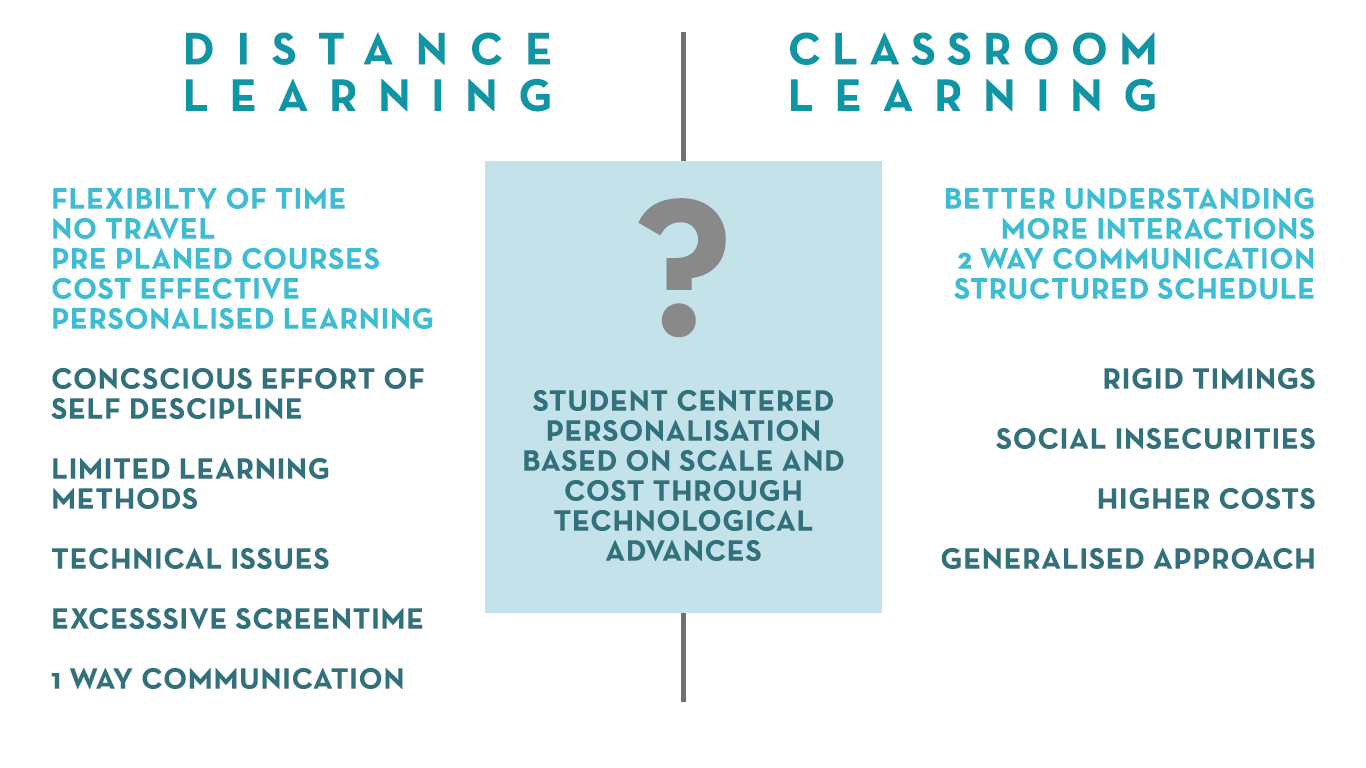
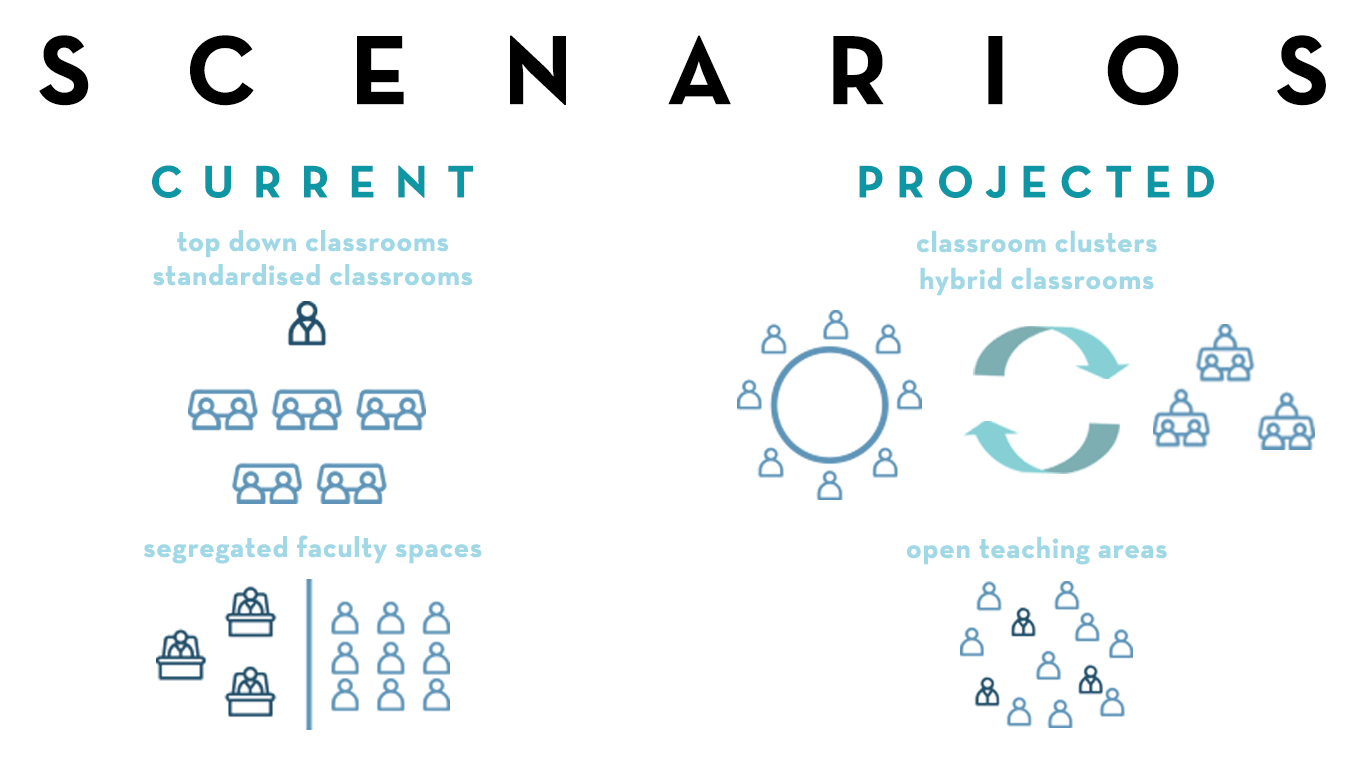
Taking inference from the current situation, the question of theory versus practical education arose. Learning is a constantly evolving process, thus this project was an attempt to study the future changes in education and how it affects the space where said education takes place. Looking at it from a lens of who does it impact most and how, off-line and on-line modes of learning were compared.
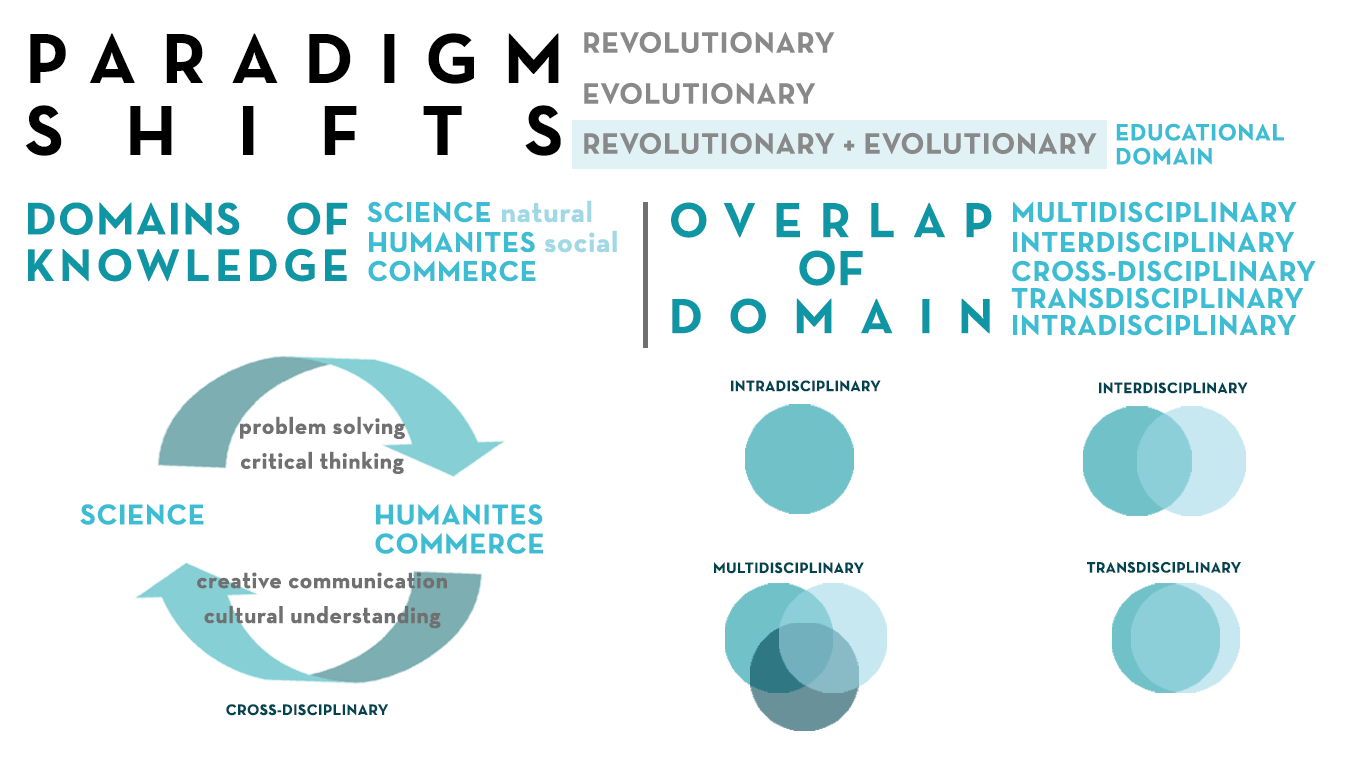
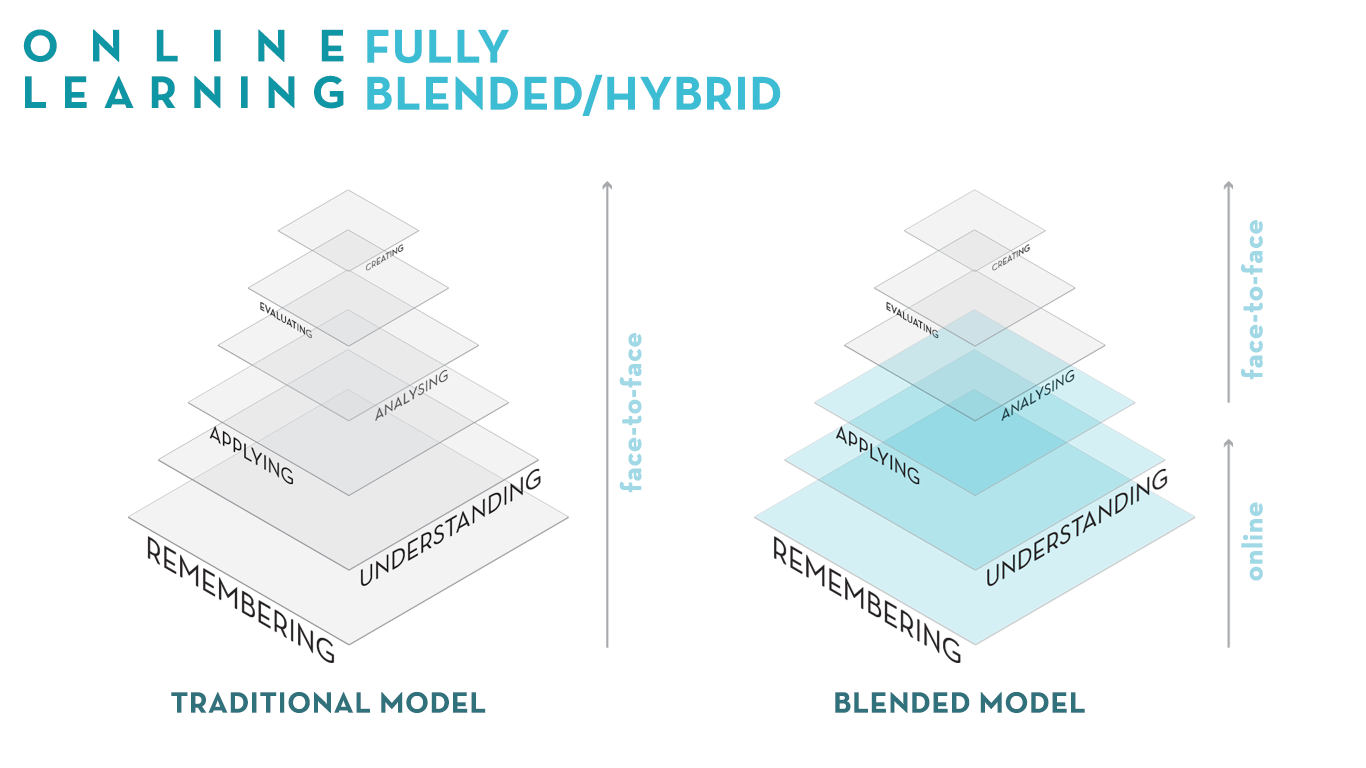
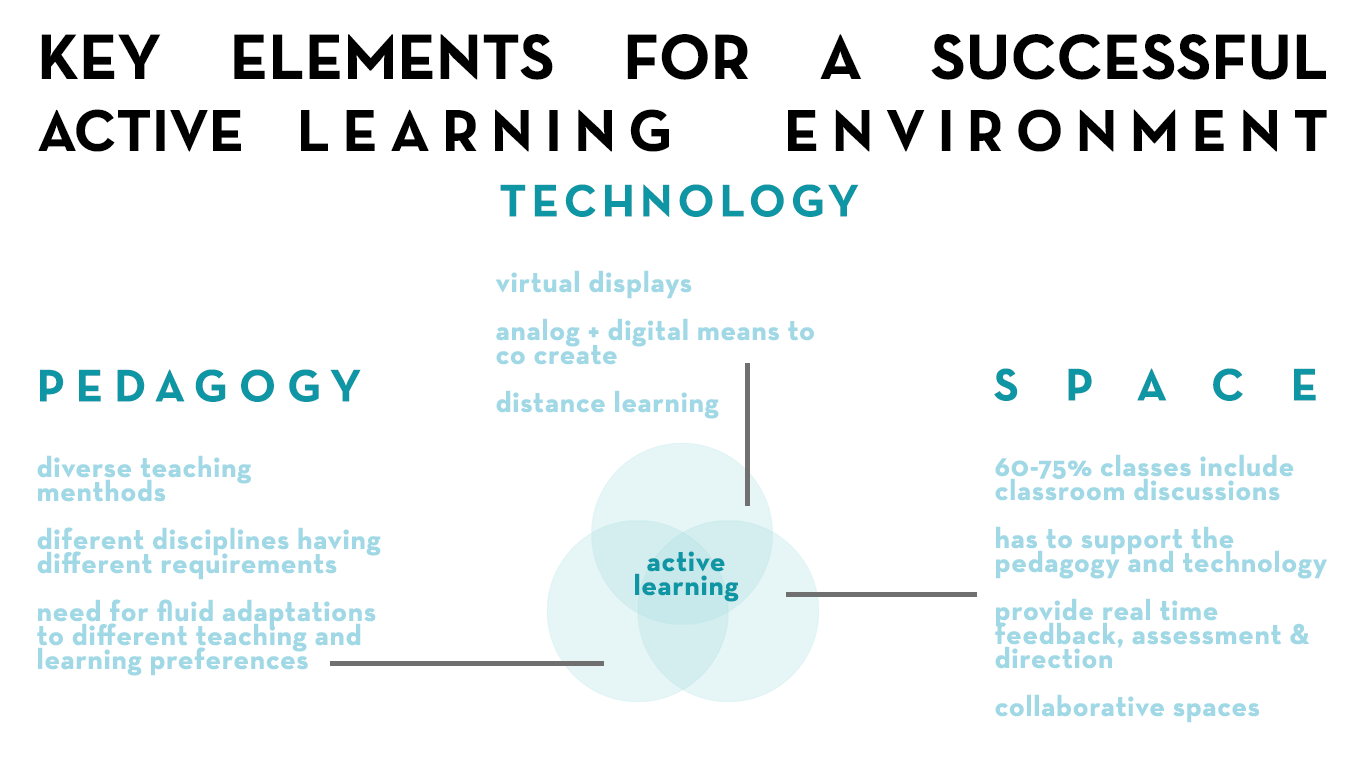
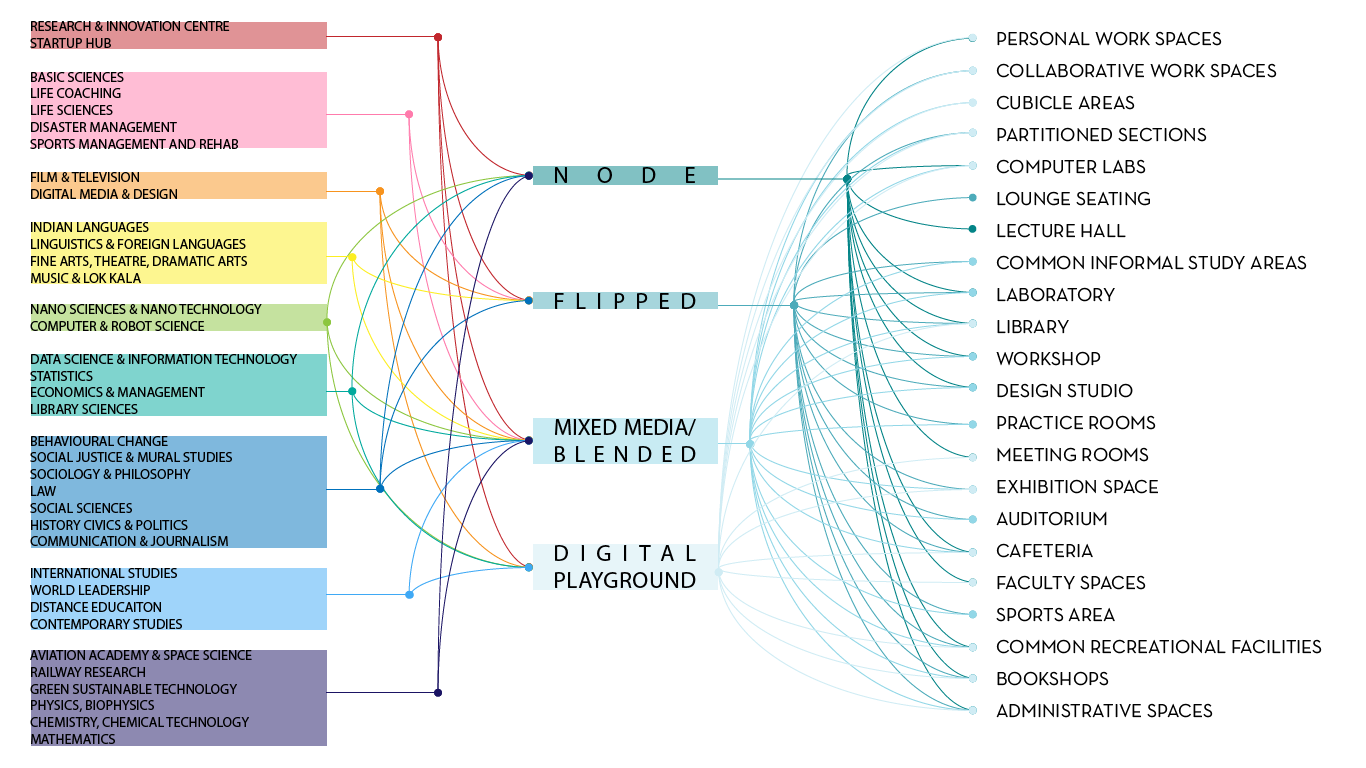
Three key elements of a learning environment were found – pedagogy, technology and space. It was observed that an interdisciplinary and cross-disciplinary way of learning was the way forward. This way all domains would have the opportunity to benefit one another, resulting in a more holistic development of an individual and preparing them for the professional world. Digital technologies are ingrained throughout, and can substitute, supplement and complement the existing model of education.
Process
Concept
design
Drawings
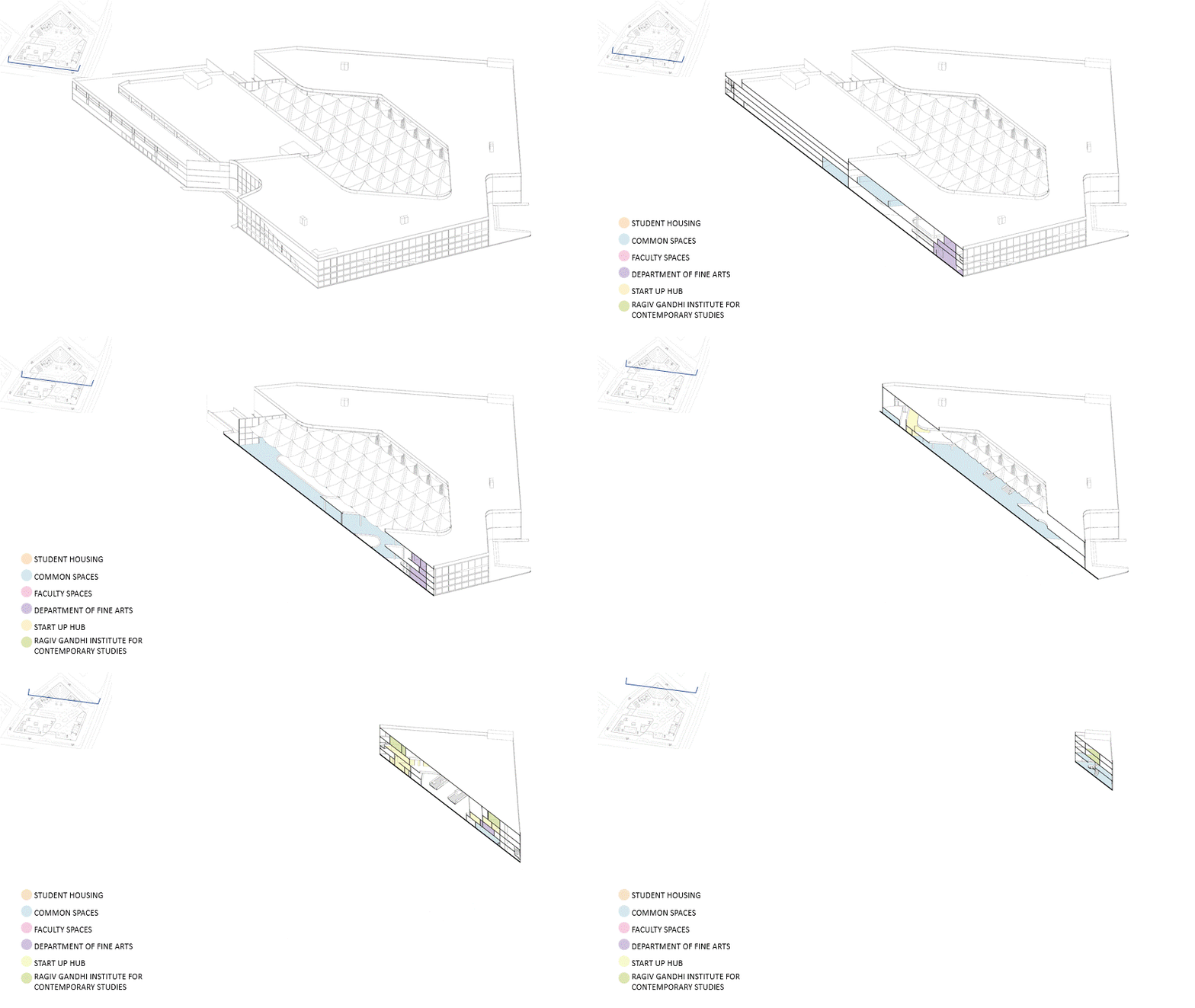
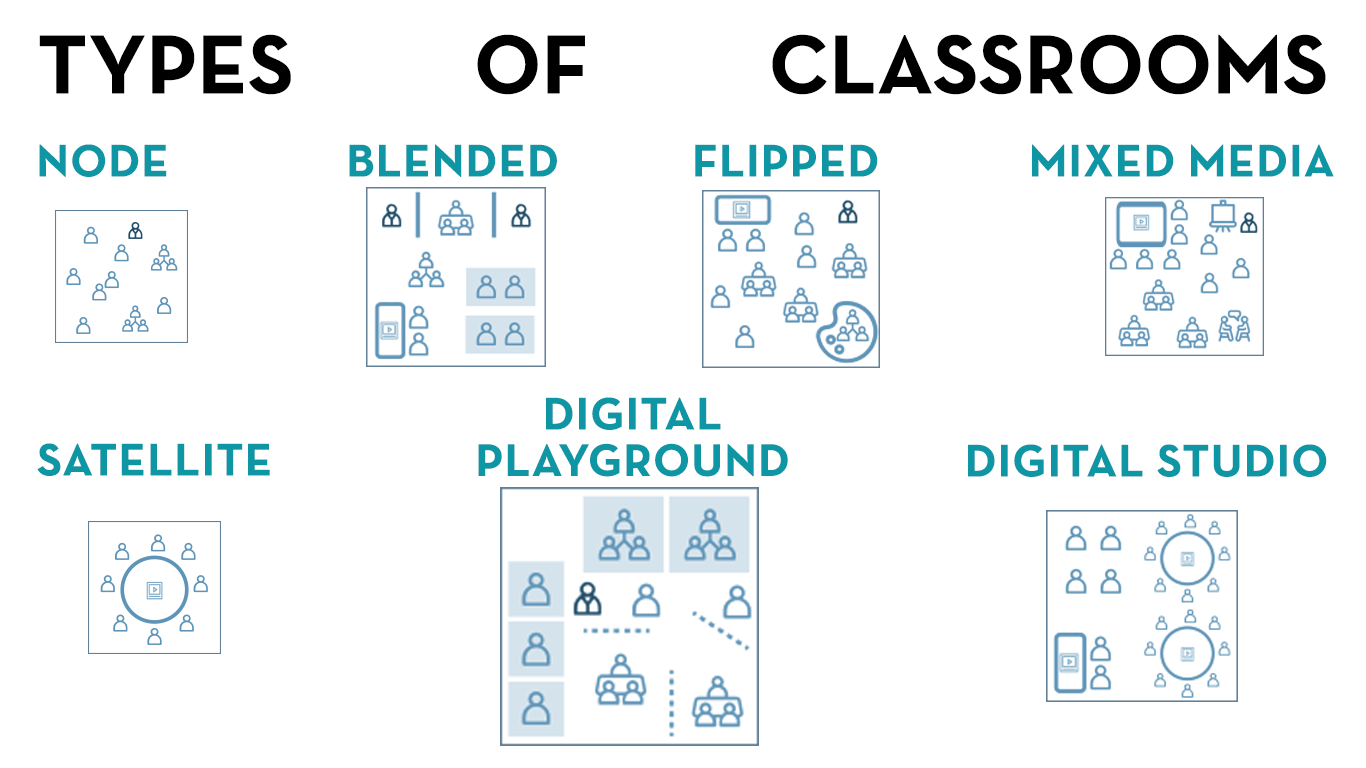
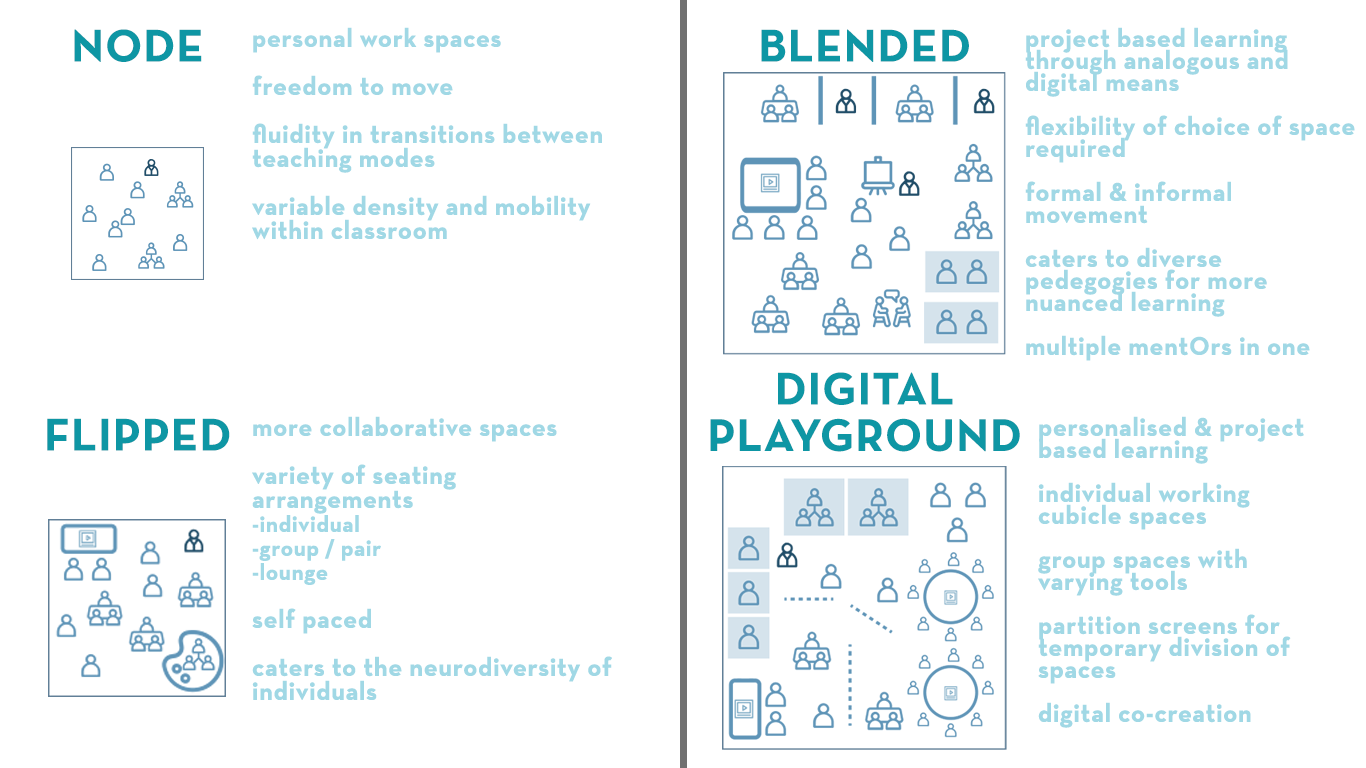
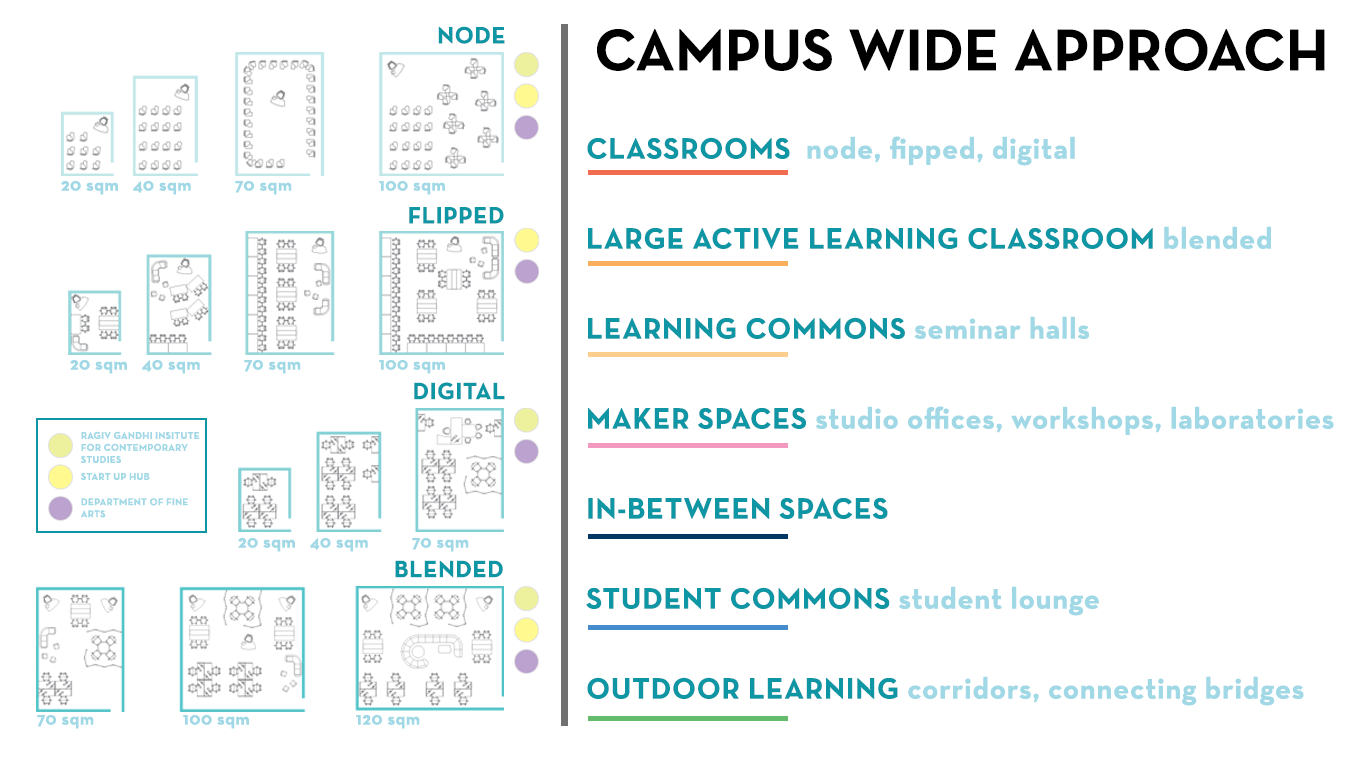
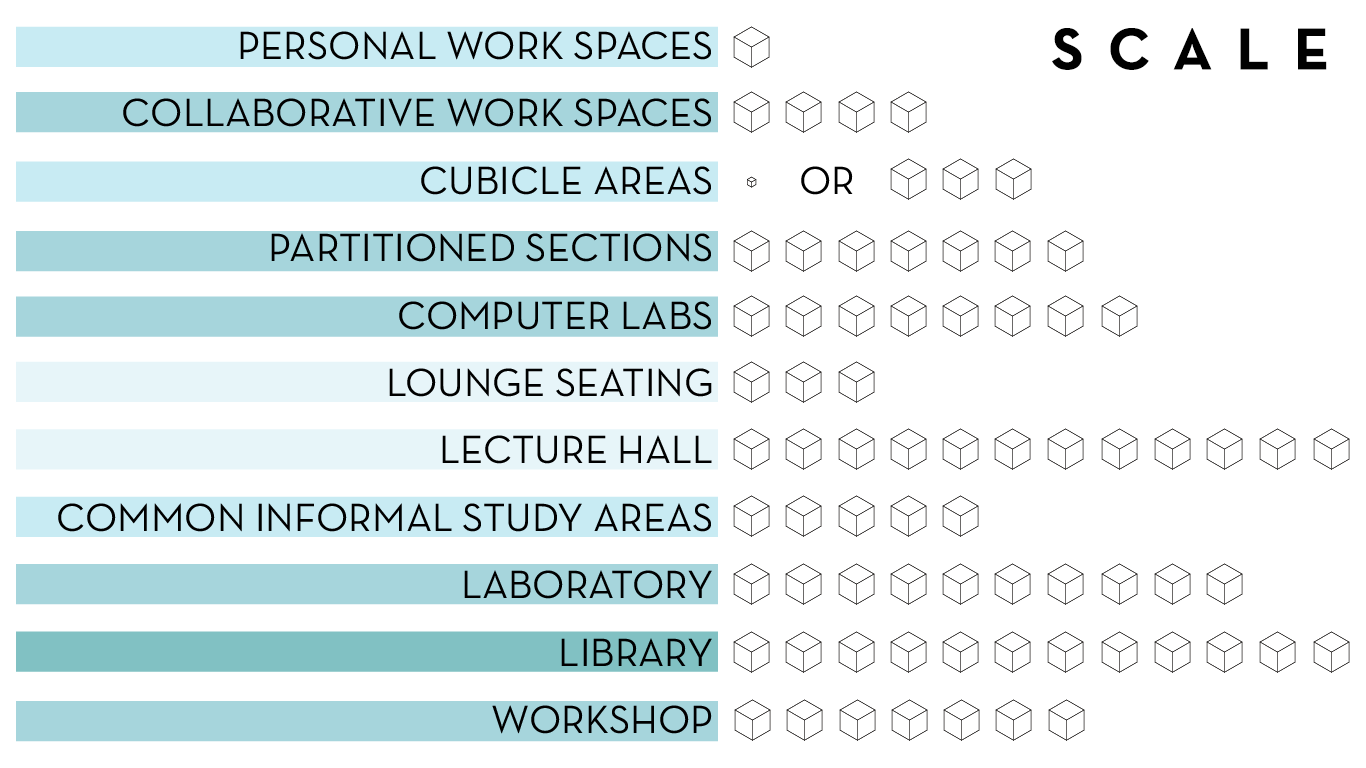
Various typologies of classrooms were implemented to serve different purposes with respect to scale, functionality, levels of co – creation etc. Hybrid common learning spaces were integrated and combined with socializing, group study and independent study spaces within the same overall space. The Blended learning program provided a seamless cohesion between the digital and physical realms. This was obtained through staggered functionality, starting from the public and moving upwards to students, faculty and academics with overlapping junctions.
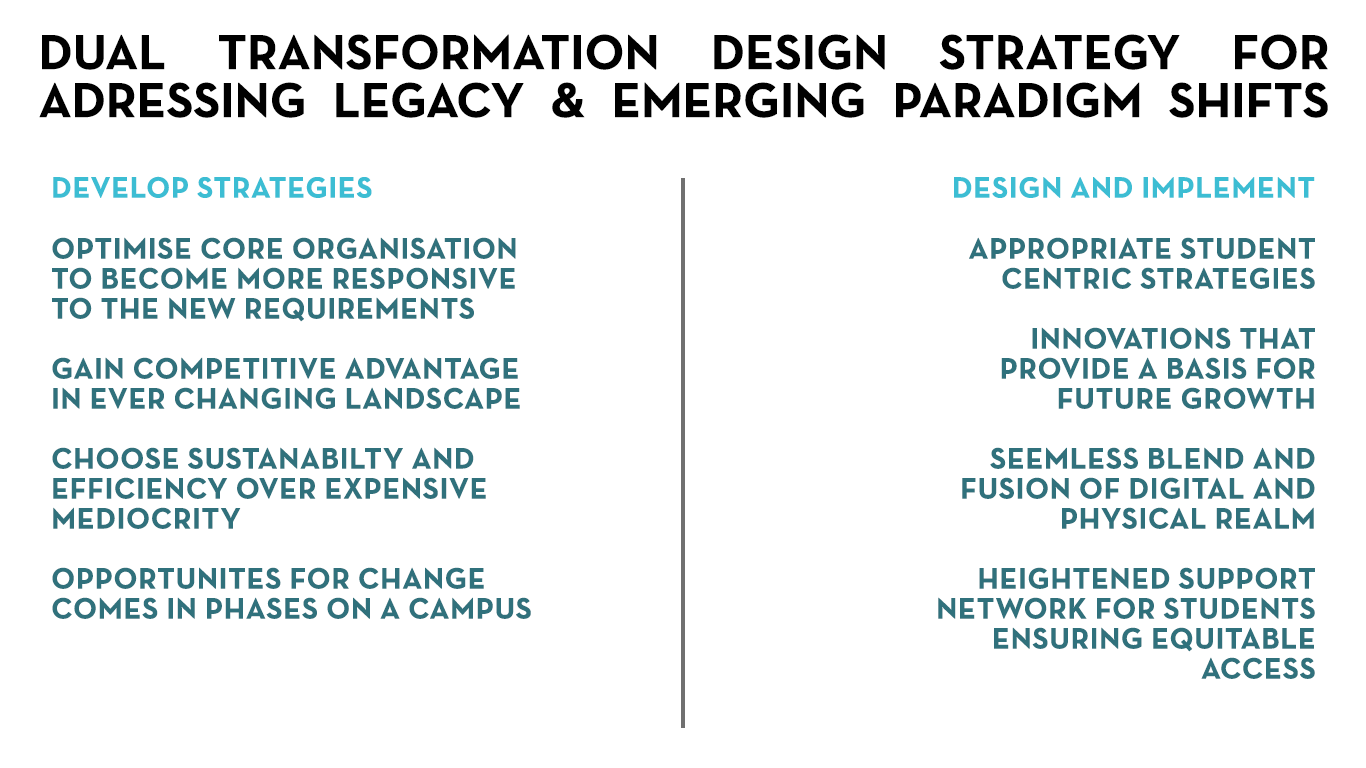
Post-pandemic return to a hybrid campus would require a heightened support network for students to ensure equitable access to tech and education.